Is Cartilage Restoration Knee Surgery Right for You?

  • Articles
Is Cartilage Restoration Knee Surgery Right for You

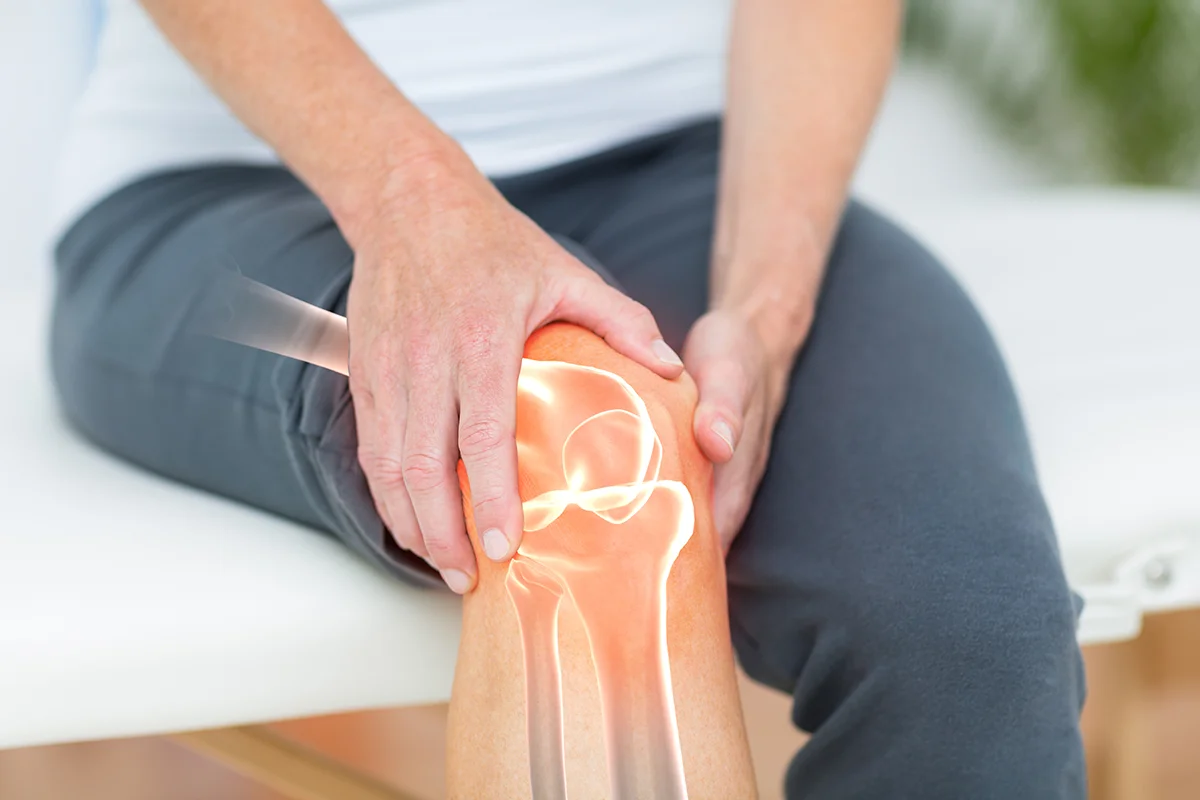
A sharp catch when you squat, swelling after a run, or pain that lingers long after a twisting injury can point to more than a simple sore knee. Cartilage restoration knee surgery is designed for certain patients with a damaged area of knee cartilage who want to protect their natural joint and return to meaningful movement.

The goal is not simply to make an MRI look better. It is to restore or protect the knee surface that allows the joint to move smoothly, reduce symptoms that limit activity, and make thoughtful choices about long-term joint health.

For active people, that may mean getting back to skiing, hiking, coaching, work demands, or sport. The right treatment depends on the type of cartilage injury, the rest of the knee, and what you want your knee to do in the years ahead.

What knee cartilage damage means

Articular cartilage is the smooth, firm tissue covering the ends of the bones inside a joint. In a healthy knee, it helps the femur, tibia, and kneecap glide with very little friction. Unlike skin or muscle, cartilage has a limited ability to heal itself because it does not have a direct blood supply.

Damage may occur suddenly, such as after a patellar dislocation, ACL injury, or direct impact. It can also develop over time from a prior injury, altered knee alignment, repetitive loading, or early degenerative change. A focal cartilage defect is a defined area of damage surrounded by otherwise healthier cartilage. This differs from advanced, widespread arthritis, where cartilage loss affects much of the joint.

Symptoms vary. Some people have pain with stairs, deep bending, or impact activity. Others notice swelling after exercise, catching, locking, a sense that the knee cannot be trusted, or a loss of motion. Cartilage damage can be present without severe symptoms, so a careful examination and imaging review are essential before connecting an MRI finding to the pain you feel.

When cartilage restoration knee surgery may help

Cartilage restoration is usually considered when a patient has a symptomatic, focal defect and has not improved sufficiently with appropriate nonsurgical care. Physical therapy, activity modification, anti-inflammatory strategies, bracing in selected cases, and injections can all have an important role. Surgery is not automatically the first answer, particularly when symptoms are manageable or the cartilage finding is incidental.

The strongest candidates often have a contained area of cartilage damage, a stable knee, and a clear goal for returning to activity. Age matters less than overall joint condition, activity level, defect size and location, and the health of the surrounding cartilage. A motivated 45-year-old skier with a single defect may be a better candidate than a much younger person with diffuse arthritis and poor alignment that has not been addressed.

A cartilage procedure also needs to be considered in the context of the entire knee. If there is ACL instability, a meniscus deficiency, kneecap maltracking, or bowlegged or knock-kneed alignment, treating the cartilage surface alone may not last. In some cases, cartilage restoration is paired with ligament reconstruction, meniscal repair or transplantation, an osteotomy to shift force away from the damaged area, or a procedure to improve kneecap tracking. Addressing these contributors is often central to durable healing.

The procedure is tailored to the defect

here is no single operation called cartilage restoration. The procedure is selected after evaluating the size, depth, location, and cause of the defect, along with your prior surgeries and goals.

For a very small, contained lesion, surgeons may use marrow-stimulation techniques that create small channels in the underlying bone. This encourages a healing response and forms repair tissue. It can be useful in the right setting, but the resulting tissue is not identical to native hyaline cartilage and may be less durable for some high-demand patients or larger defects.

Osteochondral autograft transfer moves small plugs of a patient’s own healthy cartilage and bone from a lower-load area of the knee into the damaged area. Osteochondral allograft transplantation uses size-matched donor cartilage and bone, allowing treatment of larger defects without taking multiple plugs from elsewhere in the patient’s knee.

Autologous chondrocyte implantation, including newer matrix-based techniques, uses a patient’s cartilage cells to build new cartilage-like tissue over a prepared defect. This approach is often considered for larger defects and may involve more than one stage. Each option has advantages, limitations, rehabilitation demands, and potential risks. The best operation is the one that matches the biology and mechanics of your knee, not simply the newest technique.

What the evaluation should include

A specialized evaluation begins with your story. When did symptoms start? Was there an injury? Which movements trigger pain or swelling? Have you had previous knee surgery, and what activity matters most to you?

The physical examination evaluates tenderness, motion, swelling, ligament stability, meniscal signs, kneecap tracking, and alignment. Weight-bearing X-rays show joint space and the way forces move through the leg. MRI helps define cartilage, bone, meniscus, and ligament health. In some cases, long-leg alignment X-rays or diagnostic arthroscopy help clarify the treatment plan.

This process should result in a clear conversation, not a rushed recommendation. You should understand what is causing symptoms, what nonsurgical care can reasonably accomplish, whether surgery is intended to reduce pain, preserve the joint, support athletic goals, or all three, and what trade-offs come with each option.
Recovery is part of the treatment

Recovery is part of the treatment

A successful operation can be undermined by returning to loading too quickly. Cartilage needs time to mature, and rehabilitation is not an afterthought. It is a core part of cartilage restoration knee surgery.

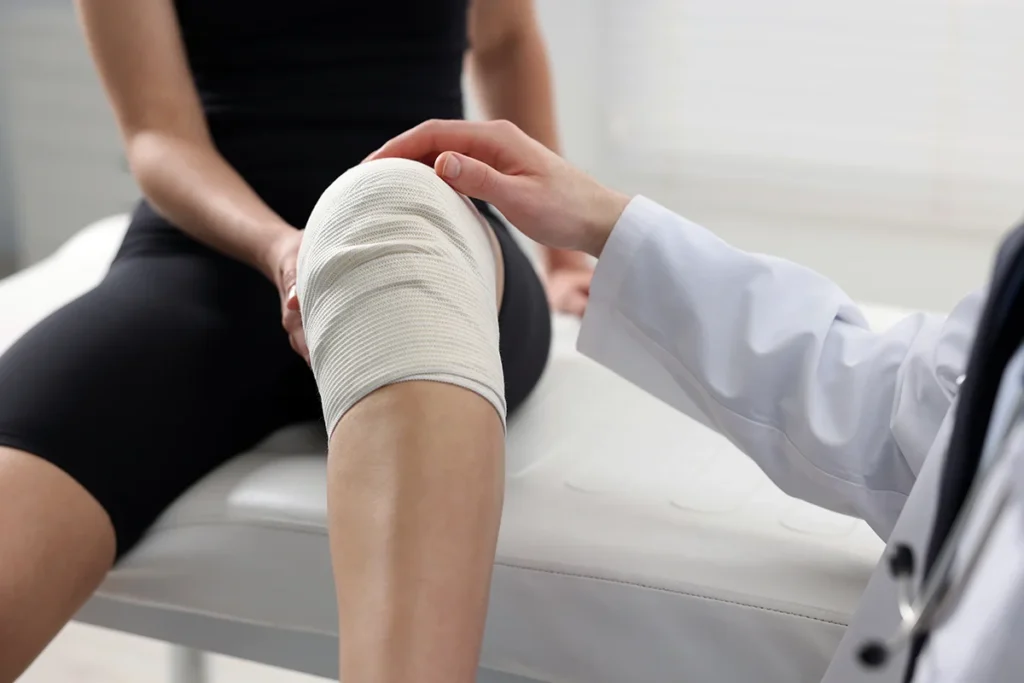
Recovery varies substantially by procedure and by defect location. Many patients use crutches for several weeks to protect the repair, particularly for cartilage on the weight-bearing surface of the femur. A lesion behind the kneecap may require a different bracing and motion plan. Early therapy focuses on controlling swelling, regaining safe motion, activating the quadriceps, and protecting the surgical site.

As healing progresses, rehabilitation builds strength, balance, gait mechanics, and controlled loading. Low-impact conditioning often comes before jogging. Running, cutting, pivoting, jumping, and return to sport typically occur later and only after the knee demonstrates sufficient strength, motion, and control. Full recovery may take many months, and some cartilage procedures require a year or longer before unrestricted high-impact athletics is realistic.

That timeline can feel demanding, especially for people accustomed to pushing through discomfort. But patience is not passive. Following weight-bearing restrictions, attending therapy, maintaining hip and core strength, and communicating about swelling or pain are active ways to protect your investment in the knee.

Questions worth asking before you decide

Before choosing Cartilage Restoration Knee Surgery, ask what type of cartilage damage you have and whether it is likely responsible for your symptoms. Ask whether your alignment, meniscus, ligaments, and kneecap mechanics are healthy enough to support a cartilage repair. It is also reasonable to ask why a particular technique is recommended over other options, what the recovery restrictions will be, and what outcomes are realistic for your preferred activities.

No procedure can guarantee that a knee will feel exactly as it did before an injury. Cartilage restoration aims to improve pain and function while preserving the natural joint when possible. It may delay or reduce progression toward more extensive joint surgery for appropriately selected patients, but it does not erase the need for long-term strength, smart training decisions, and follow-up care.

At Catalyst Orthopaedics with Dr. Tracye Lawyer MD, PhD, cartilage preservation is approached as a long-term partnership with the patient, not a one-size-fits-all procedure. The best next step is a thoughtful evaluation while the problem is still specific enough to give your knee the widest range of options.

You can request an appointment here:
Appointments with Dr Tracye Lawyer
  • Is Cartilage Restoration Knee Surgery Right for You

    Is Cartilage Restoration Knee Surgery Right for You?

    A sharp catch when you squat, swelling after a run, or pain that lingers long after a twisting injury can point to more than a simple sore knee. Cartilage restoration knee surgery is designed for certain patients with a damaged area of knee cartilage who want to protect their natural joint and return to meaningful movement.

    The goal is not simply to make an MRI look better. It is to restore or protect the knee surface that allows the joint to move smoothly, reduce symptoms that limit activity, and make thoughtful choices about long-term joint health.

    For active people, that may mean getting back to skiing, hiking, coaching, work demands, or sport. The right treatment depends on the type of cartilage injury, the rest of the knee, and what you want your knee to do in the years ahead.

    What knee cartilage damage means

    Articular cartilage is the smooth, firm tissue covering the ends of the bones inside a joint. In a healthy knee, it helps the femur, tibia, and kneecap glide with very little friction. Unlike skin or muscle, cartilage has a limited ability to heal itself because it does not have a direct blood supply.

    Damage may occur suddenly, such as after a patellar dislocation, ACL injury, or direct impact. It can also develop over time from a prior injury, altered knee alignment, repetitive loading, or early degenerative change. A focal cartilage defect is a defined area of damage surrounded by otherwise healthier cartilage. This differs from advanced, widespread arthritis, where cartilage loss affects much of the joint.

    Symptoms vary. Some people have pain with stairs, deep bending, or impact activity. Others notice swelling after exercise, catching, locking, a sense that the knee cannot be trusted, or a loss of motion. Cartilage damage can be present without severe symptoms, so a careful examination and imaging review are essential before connecting an MRI finding to the pain you feel.

    When cartilage restoration knee surgery may help

    Cartilage restoration is usually considered when a patient has a symptomatic, focal defect and has not improved sufficiently with appropriate nonsurgical care. Physical therapy, activity modification, anti-inflammatory strategies, bracing in selected cases, and injections can all have an important role. Surgery is not automatically the first answer, particularly when symptoms are manageable or the cartilage finding is incidental.

    The strongest candidates often have a contained area of cartilage damage, a stable knee, and a clear goal for returning to activity. Age matters less than overall joint condition, activity level, defect size and location, and the health of the surrounding cartilage. A motivated 45-year-old skier with a single defect may be a better candidate than a much younger person with diffuse arthritis and poor alignment that has not been addressed.

    A cartilage procedure also needs to be considered in the context of the entire knee. If there is ACL instability, a meniscus deficiency, kneecap maltracking, or bowlegged or knock-kneed alignment, treating the cartilage surface alone may not last. In some cases, cartilage restoration is paired with ligament reconstruction, meniscal repair or transplantation, an osteotomy to shift force away from the damaged area, or a procedure to improve kneecap tracking. Addressing these contributors is often central to durable healing.

    The procedure is tailored to the defect

    here is no single operation called cartilage restoration. The procedure is selected after evaluating the size, depth, location, and cause of the defect, along with your prior surgeries and goals.

    For a very small, contained lesion, surgeons may use marrow-stimulation techniques that create small channels in the underlying bone. This encourages a healing response and forms repair tissue. It can be useful in the right setting, but the resulting tissue is not identical to native hyaline cartilage and may be less durable for some high-demand patients or larger defects.

    Osteochondral autograft transfer moves small plugs of a patient’s own healthy cartilage and bone from a lower-load area of the knee into the damaged area. Osteochondral allograft transplantation uses size-matched donor cartilage and bone, allowing treatment of larger defects without taking multiple plugs from elsewhere in the patient’s knee.

    Autologous chondrocyte implantation, including newer matrix-based techniques, uses a patient’s cartilage cells to build new cartilage-like tissue over a prepared defect. This approach is often considered for larger defects and may involve more than one stage. Each option has advantages, limitations, rehabilitation demands, and potential risks. The best operation is the one that matches the biology and mechanics of your knee, not simply the newest technique.

    What the evaluation should include

    A specialized evaluation begins with your story. When did symptoms start? Was there an injury? Which movements trigger pain or swelling? Have you had previous knee surgery, and what activity matters most to you?

    The physical examination evaluates tenderness, motion, swelling, ligament stability, meniscal signs, kneecap tracking, and alignment. Weight-bearing X-rays show joint space and the way forces move through the leg. MRI helps define cartilage, bone, meniscus, and ligament health. In some cases, long-leg alignment X-rays or diagnostic arthroscopy help clarify the treatment plan.

    This process should result in a clear conversation, not a rushed recommendation. You should understand what is causing symptoms, what nonsurgical care can reasonably accomplish, whether surgery is intended to reduce pain, preserve the joint, support athletic goals, or all three, and what trade-offs come with each option.

    Recovery is part of the treatment

    Recovery is part of the treatment

    A successful operation can be undermined by returning to loading too quickly. Cartilage needs time to mature, and rehabilitation is not an afterthought. It is a core part of cartilage restoration knee surgery.

    Recovery varies substantially by procedure and by defect location. Many patients use crutches for several weeks to protect the repair, particularly for cartilage on the weight-bearing surface of the femur. A lesion behind the kneecap may require a different bracing and motion plan. Early therapy focuses on controlling swelling, regaining safe motion, activating the quadriceps, and protecting the surgical site.

    As healing progresses, rehabilitation builds strength, balance, gait mechanics, and controlled loading. Low-impact conditioning often comes before jogging. Running, cutting, pivoting, jumping, and return to sport typically occur later and only after the knee demonstrates sufficient strength, motion, and control. Full recovery may take many months, and some cartilage procedures require a year or longer before unrestricted high-impact athletics is realistic.

    That timeline can feel demanding, especially for people accustomed to pushing through discomfort. But patience is not passive. Following weight-bearing restrictions, attending therapy, maintaining hip and core strength, and communicating about swelling or pain are active ways to protect your investment in the knee.

    Questions worth asking before you decide

    Before choosing Cartilage Restoration Knee Surgery, ask what type of cartilage damage you have and whether it is likely responsible for your symptoms. Ask whether your alignment, meniscus, ligaments, and kneecap mechanics are healthy enough to support a cartilage repair. It is also reasonable to ask why a particular technique is recommended over other options, what the recovery restrictions will be, and what outcomes are realistic for your preferred activities.

    No procedure can guarantee that a knee will feel exactly as it did before an injury. Cartilage restoration aims to improve pain and function while preserving the natural joint when possible. It may delay or reduce progression toward more extensive joint surgery for appropriately selected patients, but it does not erase the need for long-term strength, smart training decisions, and follow-up care.

    At Catalyst Orthopaedics with Dr. Tracye Lawyer MD, PhD, cartilage preservation is approached as a long-term partnership with the patient, not a one-size-fits-all procedure. The best next step is a thoughtful evaluation while the problem is still specific enough to give your knee the widest range of options.

    You can request an appointment here:
    Appointments with Dr Tracye Lawyer