

Opens in a new tab

Stem Cell Injection in the Knee. Separating Fact from Fiction.

  • Articles
Stem Cell Injection in the Knee Separating Facts from Fiction

Patients researching alternatives to joint surgery frequently look into a stem cell injection in the knee to restore cartilage function without invasive procedures. Evaluating clinical research helps separate realistic biological recovery from overhyped medical marketing.

The idea is understandably attractive. Take regenerative cells, place them directly into an arthritic or injured knee, and let the body repair itself.

If only the biology were quite that simple.

Cell-based treatments are an active area of orthopaedic research, and some clinical trials have reported improvements in knee pain and function. Other well-designed studies have found little meaningful difference compared with placebo or standard injections. Just as importantly, recent research has not consistently shown that these treatments rebuild a normal cartilage surface.

That distinction matters.

Dr. Tracye Lawyer is a board-certified orthopaedic sports medicine surgeon in Boise with an MD and PhD and a particular focus on cartilage preservation and regeneration. Her approach to regenerative medicine starts with the diagnosis, the quality of the evidence, and what a treatment can realistically accomplish for the knee in front of her.

Not the marketing brochure.
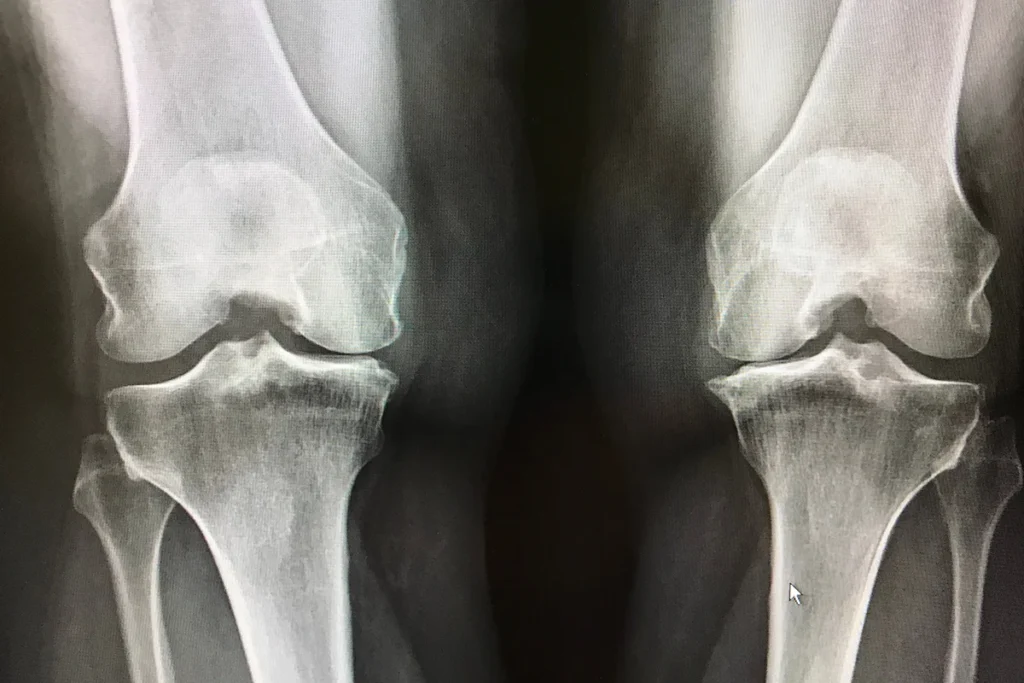
How a Stem Cell Injection in the Knee Works Biologically

How a Stem Cell Injection in the Knee Works Biologically

The theory behind cell-based treatment is less about injecting tiny replacement parts and more about changing the biological environment inside the joint.

Many of the cells studied in orthopaedics are called mesenchymal stromal cells, often shortened to MSCs. You will frequently see them called “stem cells” in advertising and even in medical literature, although the terminology can make the treatment sound more straightforward than it really is.

A bone marrow aspirate, for example, contains a mixture of cells and biological signalling molecules. Only a small proportion are the stromal cells that attract most of the regenerative interest.

When a stem cell injection in the knee is delivered into the joint, usually by an intra-articular injection, researchers believe some of its potential effects may come from chemical signalling.

These cells can release cytokines, growth factors and other molecules that interact with surrounding tissue. In laboratory research, those signals may influence inflammation, cell activity and the local healing response.

The important word is may.

The old explanation that stem cells are injected into the knee, turn directly into new cartilage cells, and replace the missing joint surface is far too simplistic.

Current clinical evidence points much more strongly toward a possible symptom-modifying effect than reliable reconstruction of damaged cartilage.

That does not make the research unimportant.

It simply changes the question from:

“Will this injection regrow my knee?”

to:

“Could this treatment reduce my symptoms enough to improve function, and is the evidence strong enough to justify the cost and uncertainty in my particular case?”

That is a much better place to start.

Not Every Stem Cell Treatment Is the Same

Not Every “Stem Cell” Treatment Is the Same

This is one of the biggest problems patients face when researching regenerative medicine online.

The term “stem cell injection” can describe very different things.

Some treatments use bone marrow taken from the patient’s own pelvis and processed into bone marrow aspirate concentrate.

Others may be advertised as coming from fat tissue, umbilical cord tissue, Wharton’s jelly, amniotic products or donor tissue.

Those are not interchangeable products.

They do not contain the same cells.

They are not prepared the same way.

They are not supported by the same research.

And importantly, the FDA currently states that regenerative medicine products marketed as stem cell therapies have not been approved for the treatment of orthopaedic conditions such as knee osteoarthritis or knee pain.

This is why phrases such as “FDA registered” should not impress you.

Registration and approval are different things.

If a clinic promises that a particular injection will regrow cartilage, cure arthritis or guarantee that you will avoid surgery, ask to see the published clinical evidence for the exact product, cell preparation and dose you are being offered.

That question clears quite a bit of fog.

Comparing Regenerative Treatments to Traditional Knee Surgery

Patients often compare stem cell injections with surgery because they want to avoid an operation.

That makes sense, but we need to compare like with like.

A cell-based injection, an arthroscopic knee procedure and a total knee replacement do not necessarily treat the same problem.

Stem cell or cell-based injection

Procedure: Usually an outpatient injection. Some approaches also require harvesting bone marrow or another tissue source first.

Immediate recovery: Generally much shorter than surgery. Temporary soreness or swelling can occur, and activity may be reduced for a short period before rehabilitation progresses.

Rehabilitation: Usually built around progressive exercise rather than surgical wound healing.

Cost: These treatments are commonly self-pay because coverage is limited. Patients may be quoted several thousand dollars for treatment, sometimes as part of an injection package.

Evidence: Mixed. Some studies report pain and functional improvement, particularly over six to twelve months, while others find little clinically important advantage over placebo or comparator injections.

Structural result: Consistent regrowth of normal hyaline cartilage has not been demonstrated.

Arthroscopic debridement

Knee arthroscopy uses small incisions and a camera to treat certain structural problems inside the joint.

It can be valuable for specific conditions.

It is not, however, a routine solution for primary knee osteoarthritis.

Arthroscopic lavage or debridement purely to “clean out” an arthritic knee is not recommended by current AAOS guidance for patients whose main diagnosis is osteoarthritis.

That matters because patients are sometimes presented with a false three-way choice between stem cells, a knee scope and replacement.

The correct treatment depends on what is actually wrong.

Total knee replacement

Knee replacement is a very different treatment designed for more advanced joint disease.

Procedure: Major joint surgery in which damaged joint surfaces are replaced with artificial components.

Early recovery: Patients commonly need a walker or crutches initially and begin rehabilitation soon after surgery.

Daily activity: Many everyday activities return over the first several weeks, while strength, endurance and confidence continue improving over subsequent months.

Cost: The overall medical cost is much higher than an injection, but joint replacement is commonly covered by insurance when medically indicated, subject to the patient’s plan, deductible and network.

Evidence and longevity: Knee replacement has decades of clinical outcome data and is designed to address end-stage structural joint damage.

A stem cell injection and a knee replacement therefore are not two versions of the same treatment.

One is an investigational or emerging biological strategy aimed primarily at symptoms in current clinical practice.

The other replaces severely damaged joint surfaces.

The right question is not which sounds less frightening.

It is which treatment matches the condition of your knee.
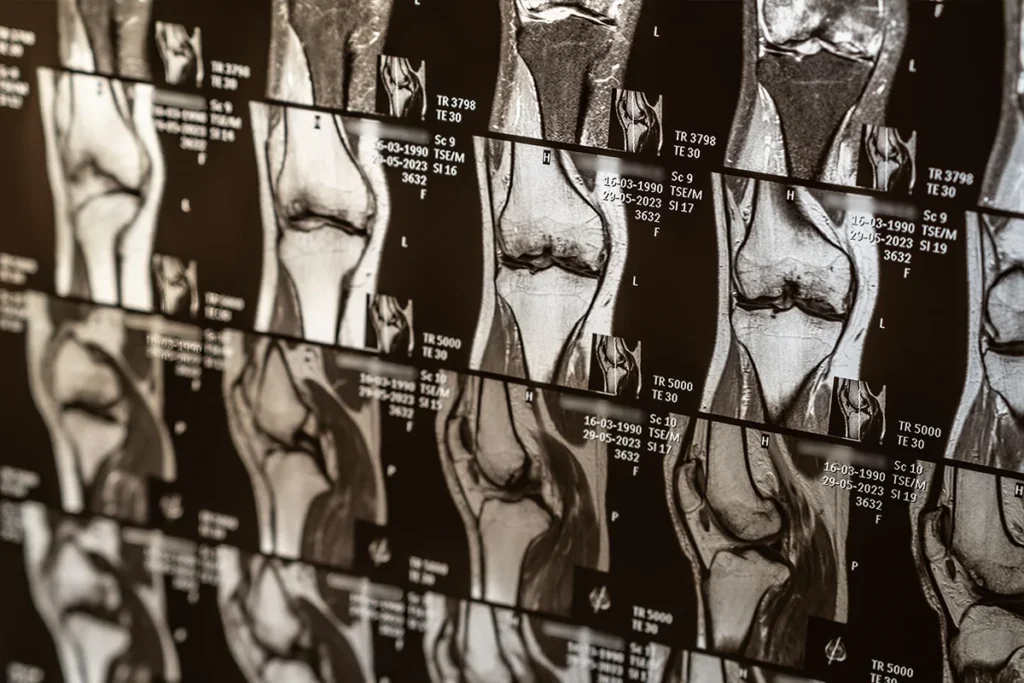
Will stem cells regrow knee cartilage

Will stem cells regrow knee cartilage?

There is currently no reliable clinical evidence that a stem cell injection can regrow a complete, normal hyaline cartilage surface in an arthritic knee.

This is the point most likely to get lost in regenerative medicine advertising.

Laboratory science shows that mesenchymal stromal cells have interesting biological properties. Animal studies and early human research have also created legitimate interest in their potential role in cartilage repair.

But a Petri dish and an arthritic human knee are very different environments.

Knee osteoarthritis is not simply a hole waiting to be filled with new cartilage.

The condition can involve cartilage loss, underlying bone changes, inflammation, meniscus damage, alignment, ligament stability and changes throughout the joint.

Recent randomized trials and systematic reviews remain inconsistent.

Some have reported improvement in MRI-based measures or cartilage-related outcomes.

Others have found no meaningful structural benefit.

A 2026 systematic review of 28 randomized trials found modest improvements in some pain and functional outcomes but no consistent improvement in MRI structural scores. The authors concluded that current evidence supports more of a symptom-modifying role than a proven structure-modifying effect.

This is also why focal cartilage restoration is a separate field.

A younger active patient with one defined cartilage defect may be a candidate for procedures such as MACI, OATS or osteochondral grafting.

That is very different from injecting cells into a knee with widespread bone-on-bone arthritis.

Dr. Lawyer’s work in Cartilage Preservation & Restoration is built around making that distinction.

How long do stem cells last in the knee

How long do stem cells last in the knee?

We do not know precisely how long injected cells remain active or survive inside the human knee, and clinical benefit should not be interpreted as the cells permanently living in the joint.

This is another area where the marketing version tends to outrun the biology.

Studies commonly measure patient outcomes at three, six and twelve months. Some research follows patients longer.

When benefit is reported, patients may experience improvement in pain or function for months.

That does not mean the injected cells are still sitting inside the joint rebuilding tissue for that entire period.

Their proposed effect may involve biological signalling that happens earlier and influences the local environment.

Clinical durability varies considerably.

Age may matter.

The degree of arthritis matters.

Body weight can matter.

Activity level matters.

The exact cell preparation matters.

So can rehabilitation after the procedure.

Even the comparison treatment matters. Some studies show cell-based injections outperforming hyaluronic acid at certain follow-up points, while placebo-controlled analyses have produced much less impressive differences.

So when someone tells you a stem cell injection “lasts two years,” the natural follow-up should be:

“In which patients, using which product, compared with what?”

The details matter enormously.

What are the top benefits of Stem Cell Injection in the Knee?

The most credible potential benefit is improvement in pain and symptoms with a minimally invasive treatment, not proven cartilage regrowth.

For a carefully selected patient, potential advantages discussed in the research include:

It is minimally invasive

An injection has much less procedural recovery than open joint surgery.

For patients who are appropriate candidates for non-operative care, this is understandably appealing.

Recovery is usually quicker than surgery

There is no surgical incision or implanted joint.

Most protocols involve a brief period of reduced activity followed by progressive rehabilitation.

That said, “quick recovery” should not be confused with “instant return to sport.”

The knee still needs sensible loading and rehabilitation.

Some patients report improved pain and function

Several trials and meta-analyses have found symptom improvement following MSC-based knee injections.

Other high-quality reviews have found the advantage to be small or uncertain.

The fairest conclusion is that some patients may improve, but response is not predictable enough to promise a result.

It may reduce the need for medication in patients who respond

If knee pain improves, a patient may need less frequent pain medication or anti-inflammatory treatment.

That is a potential downstream benefit rather than a guaranteed effect of the cells themselves.

Treatment can be combined with rehabilitation

This is important.

An injection should not be the entire plan.

Strength, body weight, mobility, activity management and the way the knee is loaded remain important whether a patient receives an orthobiologic injection or not.

A needle cannot replace good rehabilitation.

What are the limitations and risks?

Stem cell treatments are often marketed as though their main downside is cost.

That is not the whole picture.

Injection-related pain and swelling occur.

Any injection carries an infection risk.

Harvesting bone marrow or tissue adds another procedural site.

Different products also carry different regulatory and biological risks.

Recent systematic reviews have found higher rates of temporary injection-site pain or joint swelling in cell-treatment groups, even when serious complications were uncommon in controlled clinical trials.

The FDA has also issued repeated warnings about unapproved regenerative products after reports of infections, unwanted immune reactions and other serious complications.

Product quality therefore matters.

Where the cells come from matters.

Processing matters.

Sterility matters.

And regulation matters.

“Natural” does not automatically mean harmless.

Who benefits most from Cellular Therapy? What is the Criteria?

There is not yet a validated set of clinical criteria that can reliably predict a high success rate from a stem cell injection in the knee.

That is the scientifically honest answer.

Research has frequently focused on patients with mild-to-moderate knee osteoarthritis rather than severe end-stage disease.

Some newer analyses suggest people with less advanced arthritis may report better symptom improvement than patients with more severe degeneration.

That is plausible.

It is not yet strong enough to create a guaranteed candidate profile.

A patient being considered for an orthobiologic treatment should have the whole knee assessed first.

That includes:

  • The degree and location of cartilage loss
  • Whether arthritis is focal or widespread
  • Meniscus health
  • Ligament stability
  • Knee alignment
  • Strength and mobility
  • Body weight and metabolic health
  • Previous treatment
  • The activities the patient wants to return to

Mild-to-moderate osteoarthritis

This is where much of the clinical research has been performed.

Some patients may experience symptom improvement.

The evidence is still mixed enough that expectations should remain measured.

Focal cartilage defects

A focal cartilage defect is not simply early arthritis.

This is an important distinction.

For selected patients, the better treatment may be a targeted cartilage-restoration strategy such as MACI, OATS or osteochondral allograft transplantation rather than a stand-alone injection.

Dr. Lawyer specialises in evaluating exactly these kinds of cartilage-preservation decisions.

Advanced bone-on-bone arthritis

This is where regenerative marketing can become particularly unfair to patients.

If much of the joint surface has been lost, an injection cannot reliably reconstruct the missing architecture of the knee.

Some patients may still report temporary symptom improvement after an injection.

That is different from reversing the arthritis.

For severe disease that substantially limits walking, sleep or daily life despite appropriate non-operative treatment, joint replacement may ultimately provide a more predictable solution.

Sometimes the most regenerative thing we can do is stop pretending an injection can rebuild something it cannot.

What About PRP?

Platelet-rich plasma, or PRP, is often grouped together with stem cells, but they are not the same treatment.

PRP is prepared from the patient’s own blood. The blood is processed to concentrate platelets and their associated growth factors before injection.

It does not contain the type of mesenchymal stromal cells discussed in stem cell research.

The regulatory situation and evidence base are also different.

PRP may be considered for selected patients with musculoskeletal injuries or mild-to-moderate joint symptoms, depending on the diagnosis.

Dr. Lawyer provides Platelet-Rich Plasma injections in her Boise practice where the treatment fits the patient’s condition and goals.

Again, the diagnosis comes first.

Not the syringe.

Regenerative Medicine vs Cartilage Restoration

This distinction deserves its own section because patients often arrive expecting these terms to mean the same thing.

They do not.

A regenerative injection aims to influence the biological environment around injured or arthritic tissue.

Cartilage restoration is usually a structural treatment for a defined cartilage defect.

Examples include:

  • MACI
  • OATS
  • Osteochondral allograft transplantation
  • Marrow-stimulation techniques
  • Selected cartilage scaffolds and adjuncts

Dr. Lawyer holds a PhD with a particular professional focus on cartilage regeneration and preservation and teaches advanced cartilage techniques to other orthopaedic surgeons.

That background creates a useful perspective on stem cell marketing.

The interesting science should be respected.

So should its limits.

You can also explore the broader Cartilage Preservation program at Catalyst Orthopaedics & Sports Medicine to see how injections, rehabilitation and surgical restoration fit into a larger joint-preservation strategy.

Catalyst has also published a practical comparison of PRP, stem cells and exosomes for joint pain, which is useful if you are trying to understand how the different treatments advertised as “regenerative medicine” actually differ.

A Common Conversation in Clinic

A patient in their fifties comes in with knee pain.

They have already been told they are a candidate for a $6,000 “stem cell package.”

The advertisement says it can regrow cartilage and help them avoid knee replacement.

They understandably want that to be true.

We look at the X-rays.

The arthritis is mild.

The knee is stable.

Strength has dropped.

They have never completed a structured physical therapy program.

In that situation, the first question should not be whether they can afford the injection.

It should be whether they need it.

Another patient comes in with severe bone-on-bone arthritis, a significant deformity and daily pain despite years of appropriate treatment.

They have also been offered stem cells.

Their problem is completely different.

The same injection cannot logically be the perfect answer for both knees.

That is where a diagnosis-first approach protects patients.

Why Clinical Evidence Matters More Than the Label

Regenerative medicine is moving quickly.

That is exciting.

AAOS launched an Orthobiologics Registry in late 2025 specifically because long-term real-world evidence is still needed. In 2026, AAOS and AOSSM again brought researchers, surgeons, regulators and sports-medicine experts together to address the evidence gaps around orthobiologic treatment.

That should tell patients something important.

The field is not finished.

Some of these treatments may eventually become important parts of mainstream orthopaedic care.

Some will probably fall away as better trials are completed.

Others may prove useful only in very specific patient groups.

The job of an evidence-based orthopaedic surgeon is not to be automatically “for” or “against” regenerative medicine.

It is to keep asking the same question:

What does the evidence show for this treatment, in this patient, with this knee?

Questions to Ask Before Paying for a Stem Cell Injection

If you are considering treatment, ask the clinic:

  1. What exactly is being injected?
  2. Where do the cells come from?
  3. Is the product FDA-approved for treating knee osteoarthritis?
  4. What published randomized trials have studied this exact preparation?
  5. What is the expected benefit?
  6. Is the goal pain relief or actual cartilage restoration?
  7. How long does the average benefit last?
  8. What happens if it does not work?
  9. What are the risks?
  10. What other evidence-based treatments should I consider first?

A good clinician will not be offended by those questions.

They should welcome them.

Getting an Honest Opinion in Boise

Dr. Lawyer’s approach to regenerative medicine is shaped by both her clinical sports-medicine experience and her academic work in cartilage biology.

Sometimes an injection has a reasonable role.

Sometimes rehabilitation is the smarter choice.

Sometimes PRP fits better.

Sometimes a focal cartilage defect can be treated with an established cartilage-restoration procedure.

And sometimes advanced arthritis has reached the point where continuing to buy injections is delaying the treatment most likely to restore function.

The answer starts with the knee, not the trend.

If you want an honest, expert evaluation of whether a stem cell injection in the knee is right for your specific joint condition, schedule your private consultation with our Boise clinic today.

Dr. Lawyer sees patients at Catalyst Orthopaedics & Sports Medicine in Boise working alongside Dr. Kaitlin Neary, caring for people from across the Treasure Valley and the greater Mountain West.

You can request an appointment here:
Appointments with Dr Tracye Lawyer

Sports medicine doctor evaluating an active patient in Boise

FAQs

Are stem cell injections FDA-approved for knee arthritis?

No stem cell product is currently FDA-approved specifically for treating orthopaedic conditions such as knee osteoarthritis. Patients should be particularly cautious about products marketed as umbilical cord, Wharton’s jelly, amniotic, exosome or other regenerative treatments without clear regulatory status.

Can stem cells replace knee cartilage?

Current clinical evidence does not show reliable regeneration of a complete, normal cartilage surface after an intra-articular stem cell injection. Research continues, but present evidence supports possible symptom improvement more strongly than proven cartilage restoration.

How quickly can I walk after a stem cell injection?

Most injection protocols allow relatively early walking and everyday movement, although activity restrictions vary depending on the preparation and treating clinician. Temporary soreness or swelling can occur.

How long does a stem cell knee injection take to work?

When improvement occurs, it is usually assessed over weeks and months rather than immediately. Clinical studies commonly evaluate outcomes at three, six and twelve months.

Is stem cell therapy better than PRP?

There is no simple answer. PRP and cell-based treatments are biologically different, and the evidence differs by diagnosis. Treatment should be selected based on the condition being treated rather than which option sounds more advanced.

Are stem cells better than knee replacement?

They treat fundamentally different stages and problems. Current stem cell injections do not reconstruct a severely worn knee. Total knee replacement is an established structural treatment for appropriately selected patients with end-stage arthritis.

Is a stem cell injection painful?

The injection itself is generally brief, although discomfort varies. Bone marrow-based procedures may also involve a harvesting procedure. Temporary soreness and swelling after treatment have been reported.

What is the best treatment for damaged knee cartilage?

That depends on whether the problem is a focal cartilage defect or widespread arthritis. Rehabilitation, PRP, OATS, MACI, osteochondral grafting and joint replacement may all have roles in different patients. An accurate diagnosis is essential before selecting treatment.

  • Stem Cell Injection in the Knee Separating Facts from Fiction

    Stem Cell Injection in the Knee. Separating Fact from Fiction.

    Patients researching alternatives to joint surgery frequently look into a stem cell injection in the knee to restore cartilage function without invasive procedures. Evaluating clinical research helps separate realistic biological recovery from overhyped medical marketing.

    The idea is understandably attractive. Take regenerative cells, place them directly into an arthritic or injured knee, and let the body repair itself.

    If only the biology were quite that simple.

    Cell-based treatments are an active area of orthopaedic research, and some clinical trials have reported improvements in knee pain and function. Other well-designed studies have found little meaningful difference compared with placebo or standard injections. Just as importantly, recent research has not consistently shown that these treatments rebuild a normal cartilage surface.

    That distinction matters.

    Dr. Tracye Lawyer is a board-certified orthopaedic sports medicine surgeon in Boise with an MD and PhD and a particular focus on cartilage preservation and regeneration. Her approach to regenerative medicine starts with the diagnosis, the quality of the evidence, and what a treatment can realistically accomplish for the knee in front of her.

    Not the marketing brochure.

    How a Stem Cell Injection in the Knee Works Biologically

    How a Stem Cell Injection in the Knee Works Biologically

    The theory behind cell-based treatment is less about injecting tiny replacement parts and more about changing the biological environment inside the joint.

    Many of the cells studied in orthopaedics are called mesenchymal stromal cells, often shortened to MSCs. You will frequently see them called “stem cells” in advertising and even in medical literature, although the terminology can make the treatment sound more straightforward than it really is.

    A bone marrow aspirate, for example, contains a mixture of cells and biological signalling molecules. Only a small proportion are the stromal cells that attract most of the regenerative interest.

    When a stem cell injection in the knee is delivered into the joint, usually by an intra-articular injection, researchers believe some of its potential effects may come from chemical signalling.

    These cells can release cytokines, growth factors and other molecules that interact with surrounding tissue. In laboratory research, those signals may influence inflammation, cell activity and the local healing response.

    The important word is may.

    The old explanation that stem cells are injected into the knee, turn directly into new cartilage cells, and replace the missing joint surface is far too simplistic.

    Current clinical evidence points much more strongly toward a possible symptom-modifying effect than reliable reconstruction of damaged cartilage.

    That does not make the research unimportant.

    It simply changes the question from:

    “Will this injection regrow my knee?”

    to:

    “Could this treatment reduce my symptoms enough to improve function, and is the evidence strong enough to justify the cost and uncertainty in my particular case?”

    That is a much better place to start.

    Not Every Stem Cell Treatment Is the Same

    Not Every “Stem Cell” Treatment Is the Same

    This is one of the biggest problems patients face when researching regenerative medicine online.

    The term “stem cell injection” can describe very different things.

    Some treatments use bone marrow taken from the patient’s own pelvis and processed into bone marrow aspirate concentrate.

    Others may be advertised as coming from fat tissue, umbilical cord tissue, Wharton’s jelly, amniotic products or donor tissue.

    Those are not interchangeable products.

    They do not contain the same cells.

    They are not prepared the same way.

    They are not supported by the same research.

    And importantly, the FDA currently states that regenerative medicine products marketed as stem cell therapies have not been approved for the treatment of orthopaedic conditions such as knee osteoarthritis or knee pain.

    This is why phrases such as “FDA registered” should not impress you.

    Registration and approval are different things.

    If a clinic promises that a particular injection will regrow cartilage, cure arthritis or guarantee that you will avoid surgery, ask to see the published clinical evidence for the exact product, cell preparation and dose you are being offered.

    That question clears quite a bit of fog.

    Comparing Regenerative Treatments to Traditional Knee Surgery

    Patients often compare stem cell injections with surgery because they want to avoid an operation.

    That makes sense, but we need to compare like with like.

    A cell-based injection, an arthroscopic knee procedure and a total knee replacement do not necessarily treat the same problem.

    Stem cell or cell-based injection

    Procedure: Usually an outpatient injection. Some approaches also require harvesting bone marrow or another tissue source first.

    Immediate recovery: Generally much shorter than surgery. Temporary soreness or swelling can occur, and activity may be reduced for a short period before rehabilitation progresses.

    Rehabilitation: Usually built around progressive exercise rather than surgical wound healing.

    Cost: These treatments are commonly self-pay because coverage is limited. Patients may be quoted several thousand dollars for treatment, sometimes as part of an injection package.

    Evidence: Mixed. Some studies report pain and functional improvement, particularly over six to twelve months, while others find little clinically important advantage over placebo or comparator injections.

    Structural result: Consistent regrowth of normal hyaline cartilage has not been demonstrated.

    Arthroscopic debridement

    Knee arthroscopy uses small incisions and a camera to treat certain structural problems inside the joint.

    It can be valuable for specific conditions.

    It is not, however, a routine solution for primary knee osteoarthritis.

    Arthroscopic lavage or debridement purely to “clean out” an arthritic knee is not recommended by current AAOS guidance for patients whose main diagnosis is osteoarthritis.

    That matters because patients are sometimes presented with a false three-way choice between stem cells, a knee scope and replacement.

    The correct treatment depends on what is actually wrong.

    Total knee replacement

    Knee replacement is a very different treatment designed for more advanced joint disease.

    Procedure: Major joint surgery in which damaged joint surfaces are replaced with artificial components.

    Early recovery: Patients commonly need a walker or crutches initially and begin rehabilitation soon after surgery.

    Daily activity: Many everyday activities return over the first several weeks, while strength, endurance and confidence continue improving over subsequent months.

    Cost: The overall medical cost is much higher than an injection, but joint replacement is commonly covered by insurance when medically indicated, subject to the patient’s plan, deductible and network.

    Evidence and longevity: Knee replacement has decades of clinical outcome data and is designed to address end-stage structural joint damage.

    A stem cell injection and a knee replacement therefore are not two versions of the same treatment.

    One is an investigational or emerging biological strategy aimed primarily at symptoms in current clinical practice.

    The other replaces severely damaged joint surfaces.

    The right question is not which sounds less frightening.

    It is which treatment matches the condition of your knee.

    Will stem cells regrow knee cartilage

    Will stem cells regrow knee cartilage?

    There is currently no reliable clinical evidence that a stem cell injection can regrow a complete, normal hyaline cartilage surface in an arthritic knee.

    This is the point most likely to get lost in regenerative medicine advertising.

    Laboratory science shows that mesenchymal stromal cells have interesting biological properties. Animal studies and early human research have also created legitimate interest in their potential role in cartilage repair.

    But a Petri dish and an arthritic human knee are very different environments.

    Knee osteoarthritis is not simply a hole waiting to be filled with new cartilage.

    The condition can involve cartilage loss, underlying bone changes, inflammation, meniscus damage, alignment, ligament stability and changes throughout the joint.

    Recent randomized trials and systematic reviews remain inconsistent.

    Some have reported improvement in MRI-based measures or cartilage-related outcomes.

    Others have found no meaningful structural benefit.

    A 2026 systematic review of 28 randomized trials found modest improvements in some pain and functional outcomes but no consistent improvement in MRI structural scores. The authors concluded that current evidence supports more of a symptom-modifying role than a proven structure-modifying effect.

    This is also why focal cartilage restoration is a separate field.

    A younger active patient with one defined cartilage defect may be a candidate for procedures such as MACI, OATS or osteochondral grafting.

    That is very different from injecting cells into a knee with widespread bone-on-bone arthritis.

    Dr. Lawyer’s work in Cartilage Preservation & Restoration is built around making that distinction.

    How long do stem cells last in the knee

    How long do stem cells last in the knee?

    We do not know precisely how long injected cells remain active or survive inside the human knee, and clinical benefit should not be interpreted as the cells permanently living in the joint.

    This is another area where the marketing version tends to outrun the biology.

    Studies commonly measure patient outcomes at three, six and twelve months. Some research follows patients longer.

    When benefit is reported, patients may experience improvement in pain or function for months.

    That does not mean the injected cells are still sitting inside the joint rebuilding tissue for that entire period.

    Their proposed effect may involve biological signalling that happens earlier and influences the local environment.

    Clinical durability varies considerably.

    Age may matter.

    The degree of arthritis matters.

    Body weight can matter.

    Activity level matters.

    The exact cell preparation matters.

    So can rehabilitation after the procedure.

    Even the comparison treatment matters. Some studies show cell-based injections outperforming hyaluronic acid at certain follow-up points, while placebo-controlled analyses have produced much less impressive differences.

    So when someone tells you a stem cell injection “lasts two years,” the natural follow-up should be:

    “In which patients, using which product, compared with what?”

    The details matter enormously.

    What are the top benefits of Stem Cell Injection in the Knee?

    The most credible potential benefit is improvement in pain and symptoms with a minimally invasive treatment, not proven cartilage regrowth.

    For a carefully selected patient, potential advantages discussed in the research include:

    It is minimally invasive

    An injection has much less procedural recovery than open joint surgery.

    For patients who are appropriate candidates for non-operative care, this is understandably appealing.

    Recovery is usually quicker than surgery

    There is no surgical incision or implanted joint.

    Most protocols involve a brief period of reduced activity followed by progressive rehabilitation.

    That said, “quick recovery” should not be confused with “instant return to sport.”

    The knee still needs sensible loading and rehabilitation.

    Some patients report improved pain and function

    Several trials and meta-analyses have found symptom improvement following MSC-based knee injections.

    Other high-quality reviews have found the advantage to be small or uncertain.

    The fairest conclusion is that some patients may improve, but response is not predictable enough to promise a result.

    It may reduce the need for medication in patients who respond

    If knee pain improves, a patient may need less frequent pain medication or anti-inflammatory treatment.

    That is a potential downstream benefit rather than a guaranteed effect of the cells themselves.

    Treatment can be combined with rehabilitation

    This is important.

    An injection should not be the entire plan.

    Strength, body weight, mobility, activity management and the way the knee is loaded remain important whether a patient receives an orthobiologic injection or not.

    A needle cannot replace good rehabilitation.

    What are the limitations and risks?

    Stem cell treatments are often marketed as though their main downside is cost.

    That is not the whole picture.

    Injection-related pain and swelling occur.

    Any injection carries an infection risk.

    Harvesting bone marrow or tissue adds another procedural site.

    Different products also carry different regulatory and biological risks.

    Recent systematic reviews have found higher rates of temporary injection-site pain or joint swelling in cell-treatment groups, even when serious complications were uncommon in controlled clinical trials.

    The FDA has also issued repeated warnings about unapproved regenerative products after reports of infections, unwanted immune reactions and other serious complications.

    Product quality therefore matters.

    Where the cells come from matters.

    Processing matters.

    Sterility matters.

    And regulation matters.

    “Natural” does not automatically mean harmless.

    Who benefits most from Cellular Therapy? What is the Criteria?

    There is not yet a validated set of clinical criteria that can reliably predict a high success rate from a stem cell injection in the knee.

    That is the scientifically honest answer.

    Research has frequently focused on patients with mild-to-moderate knee osteoarthritis rather than severe end-stage disease.

    Some newer analyses suggest people with less advanced arthritis may report better symptom improvement than patients with more severe degeneration.

    That is plausible.

    It is not yet strong enough to create a guaranteed candidate profile.

    A patient being considered for an orthobiologic treatment should have the whole knee assessed first.

    That includes:

    • The degree and location of cartilage loss
    • Whether arthritis is focal or widespread
    • Meniscus health
    • Ligament stability
    • Knee alignment
    • Strength and mobility
    • Body weight and metabolic health
    • Previous treatment
    • The activities the patient wants to return to

    Mild-to-moderate osteoarthritis

    This is where much of the clinical research has been performed.

    Some patients may experience symptom improvement.

    The evidence is still mixed enough that expectations should remain measured.

    Focal cartilage defects

    A focal cartilage defect is not simply early arthritis.

    This is an important distinction.

    For selected patients, the better treatment may be a targeted cartilage-restoration strategy such as MACI, OATS or osteochondral allograft transplantation rather than a stand-alone injection.

    Dr. Lawyer specialises in evaluating exactly these kinds of cartilage-preservation decisions.

    Advanced bone-on-bone arthritis

    This is where regenerative marketing can become particularly unfair to patients.

    If much of the joint surface has been lost, an injection cannot reliably reconstruct the missing architecture of the knee.

    Some patients may still report temporary symptom improvement after an injection.

    That is different from reversing the arthritis.

    For severe disease that substantially limits walking, sleep or daily life despite appropriate non-operative treatment, joint replacement may ultimately provide a more predictable solution.

    Sometimes the most regenerative thing we can do is stop pretending an injection can rebuild something it cannot.

    What About PRP?

    Platelet-rich plasma, or PRP, is often grouped together with stem cells, but they are not the same treatment.

    PRP is prepared from the patient’s own blood. The blood is processed to concentrate platelets and their associated growth factors before injection.

    It does not contain the type of mesenchymal stromal cells discussed in stem cell research.

    The regulatory situation and evidence base are also different.

    PRP may be considered for selected patients with musculoskeletal injuries or mild-to-moderate joint symptoms, depending on the diagnosis.

    Dr. Lawyer provides Platelet-Rich Plasma injections in her Boise practice where the treatment fits the patient’s condition and goals.

    Again, the diagnosis comes first.

    Not the syringe.

    Regenerative Medicine vs Cartilage Restoration

    This distinction deserves its own section because patients often arrive expecting these terms to mean the same thing.

    They do not.

    A regenerative injection aims to influence the biological environment around injured or arthritic tissue.

    Cartilage restoration is usually a structural treatment for a defined cartilage defect.

    Examples include:

    • MACI
    • OATS
    • Osteochondral allograft transplantation
    • Marrow-stimulation techniques
    • Selected cartilage scaffolds and adjuncts

    Dr. Lawyer holds a PhD with a particular professional focus on cartilage regeneration and preservation and teaches advanced cartilage techniques to other orthopaedic surgeons.

    That background creates a useful perspective on stem cell marketing.

    The interesting science should be respected.

    So should its limits.

    You can also explore the broader Cartilage Preservation program at Catalyst Orthopaedics & Sports Medicine to see how injections, rehabilitation and surgical restoration fit into a larger joint-preservation strategy.

    Catalyst has also published a practical comparison of PRP, stem cells and exosomes for joint pain, which is useful if you are trying to understand how the different treatments advertised as “regenerative medicine” actually differ.

    A Common Conversation in Clinic

    A patient in their fifties comes in with knee pain.

    They have already been told they are a candidate for a $6,000 “stem cell package.”

    The advertisement says it can regrow cartilage and help them avoid knee replacement.

    They understandably want that to be true.

    We look at the X-rays.

    The arthritis is mild.

    The knee is stable.

    Strength has dropped.

    They have never completed a structured physical therapy program.

    In that situation, the first question should not be whether they can afford the injection.

    It should be whether they need it.

    Another patient comes in with severe bone-on-bone arthritis, a significant deformity and daily pain despite years of appropriate treatment.

    They have also been offered stem cells.

    Their problem is completely different.

    The same injection cannot logically be the perfect answer for both knees.

    That is where a diagnosis-first approach protects patients.

    Why Clinical Evidence Matters More Than the Label

    Regenerative medicine is moving quickly.

    That is exciting.

    AAOS launched an Orthobiologics Registry in late 2025 specifically because long-term real-world evidence is still needed. In 2026, AAOS and AOSSM again brought researchers, surgeons, regulators and sports-medicine experts together to address the evidence gaps around orthobiologic treatment.

    That should tell patients something important.

    The field is not finished.

    Some of these treatments may eventually become important parts of mainstream orthopaedic care.

    Some will probably fall away as better trials are completed.

    Others may prove useful only in very specific patient groups.

    The job of an evidence-based orthopaedic surgeon is not to be automatically “for” or “against” regenerative medicine.

    It is to keep asking the same question:

    What does the evidence show for this treatment, in this patient, with this knee?

    Questions to Ask Before Paying for a Stem Cell Injection

    If you are considering treatment, ask the clinic:

    1. What exactly is being injected?
    2. Where do the cells come from?
    3. Is the product FDA-approved for treating knee osteoarthritis?
    4. What published randomized trials have studied this exact preparation?
    5. What is the expected benefit?
    6. Is the goal pain relief or actual cartilage restoration?
    7. How long does the average benefit last?
    8. What happens if it does not work?
    9. What are the risks?
    10. What other evidence-based treatments should I consider first?

    A good clinician will not be offended by those questions.

    They should welcome them.

    Getting an Honest Opinion in Boise

    Dr. Lawyer’s approach to regenerative medicine is shaped by both her clinical sports-medicine experience and her academic work in cartilage biology.

    Sometimes an injection has a reasonable role.

    Sometimes rehabilitation is the smarter choice.

    Sometimes PRP fits better.

    Sometimes a focal cartilage defect can be treated with an established cartilage-restoration procedure.

    And sometimes advanced arthritis has reached the point where continuing to buy injections is delaying the treatment most likely to restore function.

    The answer starts with the knee, not the trend.

    If you want an honest, expert evaluation of whether a stem cell injection in the knee is right for your specific joint condition, schedule your private consultation with our Boise clinic today.

    Dr. Lawyer sees patients at Catalyst Orthopaedics & Sports Medicine in Boise working alongside Dr. Kaitlin Neary, caring for people from across the Treasure Valley and the greater Mountain West.

    You can request an appointment here:
    Appointments with Dr Tracye Lawyer

    Sports medicine doctor evaluating an active patient in Boise

    FAQs

    Are stem cell injections FDA-approved for knee arthritis?

    No stem cell product is currently FDA-approved specifically for treating orthopaedic conditions such as knee osteoarthritis. Patients should be particularly cautious about products marketed as umbilical cord, Wharton’s jelly, amniotic, exosome or other regenerative treatments without clear regulatory status.

    Can stem cells replace knee cartilage?

    Current clinical evidence does not show reliable regeneration of a complete, normal cartilage surface after an intra-articular stem cell injection. Research continues, but present evidence supports possible symptom improvement more strongly than proven cartilage restoration.

    How quickly can I walk after a stem cell injection?

    Most injection protocols allow relatively early walking and everyday movement, although activity restrictions vary depending on the preparation and treating clinician. Temporary soreness or swelling can occur.

    How long does a stem cell knee injection take to work?

    When improvement occurs, it is usually assessed over weeks and months rather than immediately. Clinical studies commonly evaluate outcomes at three, six and twelve months.

    Is stem cell therapy better than PRP?

    There is no simple answer. PRP and cell-based treatments are biologically different, and the evidence differs by diagnosis. Treatment should be selected based on the condition being treated rather than which option sounds more advanced.

    Are stem cells better than knee replacement?

    They treat fundamentally different stages and problems. Current stem cell injections do not reconstruct a severely worn knee. Total knee replacement is an established structural treatment for appropriately selected patients with end-stage arthritis.

    Is a stem cell injection painful?

    The injection itself is generally brief, although discomfort varies. Bone marrow-based procedures may also involve a harvesting procedure. Temporary soreness and swelling after treatment have been reported.

    What is the best treatment for damaged knee cartilage?

    That depends on whether the problem is a focal cartilage defect or widespread arthritis. Rehabilitation, PRP, OATS, MACI, osteochondral grafting and joint replacement may all have roles in different patients. An accurate diagnosis is essential before selecting treatment.