Orthopaedic Services

Total & Reverse Shoulder Arthroplasty

When arthritis or massive cuff damage has worn out your shoulder, total or reverse replacement can reduce pain and restore everyday function, and often a return to favourite activities.

Schedule Treatment

When is shoulder replacement considered?

Shoulder replacement is usually reserved for end-stage shoulder arthritis or complex problems that no longer respond to injections, therapy, or simpler surgeries.

Typical reasons include:

  • Severe osteoarthritis or inflammatory arthritis
  • Cuff tear arthropathy (arthritis with irreparable rotator cuff tear)
  • Certain complex fractures
  • Failed prior shoulder surgery

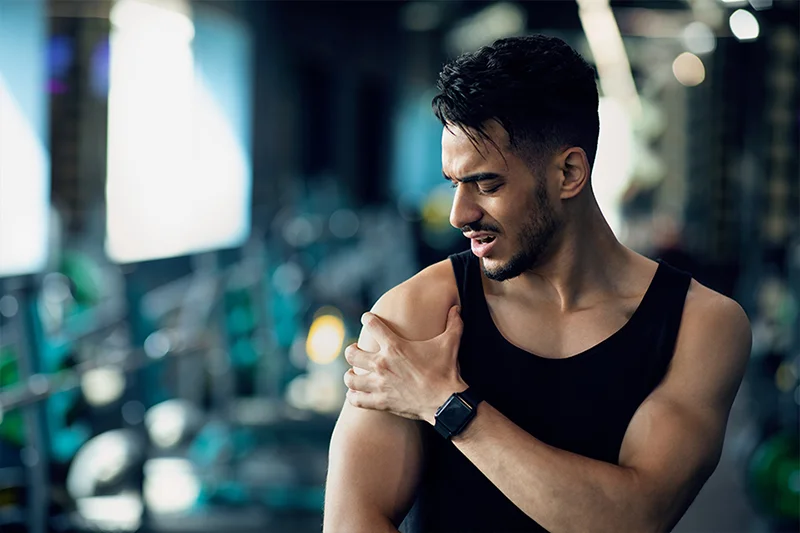
Patients often describe deep, constant pain, stiffness, grinding, and difficulty with basic tasks like dressing, reaching shelves, or sleeping.

Total vs reverse shoulder replacement

Dr Lawyer is trained in both anatomical total shoulder arthroplasty and reverse total shoulder arthroplasty.

  • Anatomical total shoulder replacement
    • Replaces the ball and socket in their natural orientation
    • Often used when the rotator cuff is intact and the main problem is arthritis
  • Reverse total shoulder replacement
    • Swaps the ball and socket positions so the deltoid muscle can power the arm
    • Often used when the rotator cuff is severely damaged or absent (cuff tear arthropathy)

Dr Lawyer will recommend the design that best matches your anatomy, soft tissue, and goals.

    What to expect from surgery

    • The procedure typically takes a few hours
    • Most patients spend a short stay in hospital or surgical centre
    • A sling is used in the early weeks to protect the shoulder
    • Physical therapy is crucial, with gradual progression from motion to strengthening

    AAOS has a broad patient guide on shoulder joint replacement, including reverse designs: Shoulder Joint Replacement.

    Recovery & timelines

    Typical ranges:
    • 0–6 weeks: protection, gentle guided motion
    • 6–12 weeks: increasing motion and light daily activities
    • 3–6+ months: progressive strengthening and return to many hobbies

    Many patients return to activities like golf, swimming, and recreational tennis after a successful replacement, within sensible limits.

Shoulder Replacement FAQs

Age is one factor, but your pain, function, imaging, and previous treatments matter more. Dr Lawyer will talk through long-term expectations and implant longevity.

High-impact or heavy repetitive overhead work may be limited. Most patients can perform daily tasks, drive, and enjoy many low- to moderate-impact sports.

Many modern implants last well over a decade; some last considerably longer. Activity level, bone quality, and overall health all play a role.

  • Total & Reverse Shoulder Arthroplasty