
Orthopaedic Services

Platelet-Rich Plasma (PRP) Injections

PRP uses a concentrated portion of your own blood to deliver growth factors to painful tendons, ligaments, and joints. For some conditions, it can be a helpful part of a broader treatment plan.

Schedule Treatment

What is PRP?

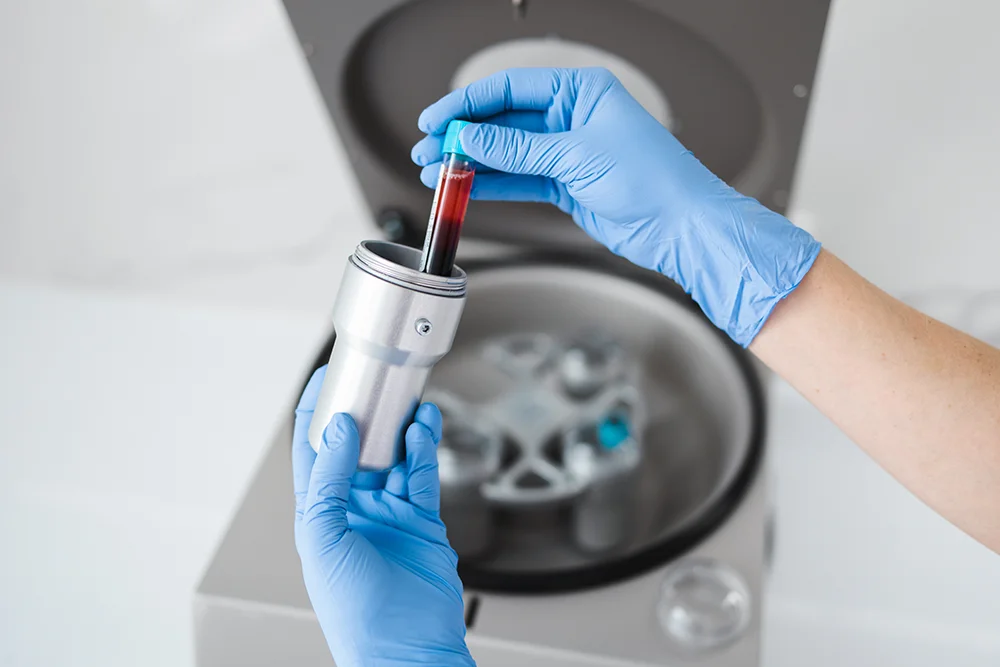
Platelet-rich plasma (PRP) is a regenerative medicine technique that uses a small sample of your own blood. The sample is spun in a centrifuge to concentrate platelets and growth factors, then injected into the area being treated.

In orthopaedics, PRP is used to try to support healing in:

  • Certain chronic tendon problems
  • Selected ligament injuries
  • Mild to moderate joint problems in some patients

Research is evolving. PRP is not a cure-all, but in the right situation it can be a useful tool.

PRP with Dr Tracye Lawyer

Dr Lawyer offers PRP injections in clinic for carefully selected patients.

A typical visit includes:

  • Assessment
    • Confirming the diagnosis and whether PRP is appropriate
    • Reviewing prior imaging and treatments
  • Blood draw and processing
    • A small amount of your blood is drawn
    • It is spun to concentrate platelets and growth factors
  • Guided injection
    • The PRP is injected into the target area, often with ultrasound guidance

Because the injection uses your own blood components, allergic reactions are rare, though not impossible.

    What conditions might PRP help?

    PRP can be considered for:
    • Some chronic tendon issues that haven’t responded to rest and therapy
    • Certain mild-to-moderate joint problems in patients trying to delay more invasive procedures
    • Select ligament injuries when combined with a structured rehab plan
    It is typically not meant to replace surgery for clearly mechanical problems like large rotator cuff tears or unstable ACL injuries.

    Expectations & timelines

    • PRP is often one part of a plan, not a standalone fix
    • Some patients notice temporary symptom flare for a few days after injection
    • Early weeks may involve relative rest, followed by progressive loading in therapy
    • Benefits, if they occur, often appear over 6–12 weeks

    Dr Lawyer will be very clear about what PRP can and cannot do for your specific problem.

    AAOS has plain-language information on biologic treatments (including PRP) within several of their condition pages, such as Meniscus Tears, where PRP is discussed as a developing option.

PRP FAQs

Coverage varies and is often limited. Our office can help you understand the financial side before you decide.

Some conditions are treated with a single injection; others may involve a short series. This will be discussed with you in advance.

Current evidence does not support PRP as a way to regrow an entire cartilage surface. It may help with pain and function in some patients, but expectations need to be realistic.

  • Platelet-Rich Plasma (PRP) Injections