
When is ACL reconstruction recommended?
- You want to return to cutting, pivoting, or contact sports
- You have ongoing episodes of the knee buckling during daily activities
- You are younger or highly active and want to protect the knee long term

Orthopaedic Services
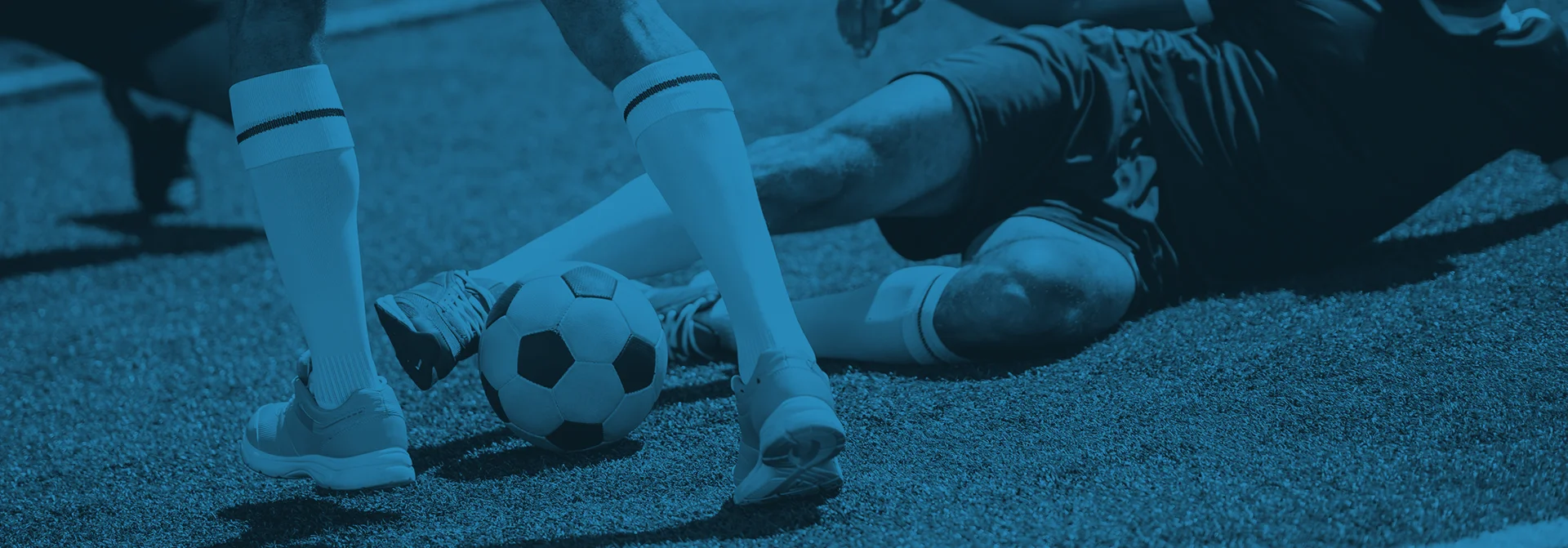
An ACL tear doesn’t have to end your sport. With the right plan, many athletes return to cutting, pivoting, and jumping with a reconstructed and well-rehabbed knee.
The anterior cruciate ligament (ACL) is one of the main stabilisers in the knee. It keeps the shin bone from sliding forward and helps control rotation, especially during cutting, pivoting, and landing.
Most ACL tears happen during:
Athletes often report a “pop,” swelling, and the feeling that the knee will “give way.”


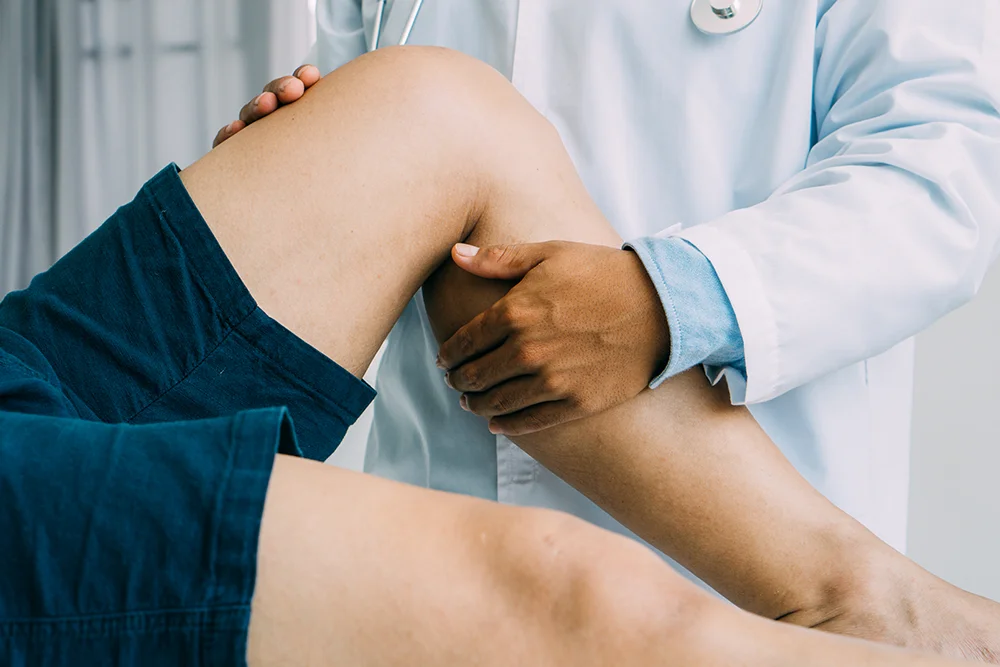
Dr Lawyer’s special interests include ACL reconstruction and multi-ligament knee injuries, with a strong focus on returning athletes to sport as safely and efficiently as possible.
Your plan may include:
The goal is a stable knee that you can trust, not just a “fixed ligament.”
Dr Lawyer combines objective testing and movement quality, not just the calendar, when clearing athletes to play.
AAOS offers a plain-language guide on ACL injuries and treatment options: Anterior Cruciate Ligament (ACL) Injuries.
Some people can, especially if they don’t have instability in day-to-day life and avoid pivoting sports. Exam and imaging help clarify your options.
There is no one best choice for everyone. Patellar tendon, hamstring, quadriceps tendon, and sometimes allograft each have pros and cons. Dr Lawyer will talk through them in the context of your sport and goals.
Research has shown that early return to high-risk sports can increase the chance of re-injury. Many athletes do better when strength, control, and confidence are all clearly restored before going back.